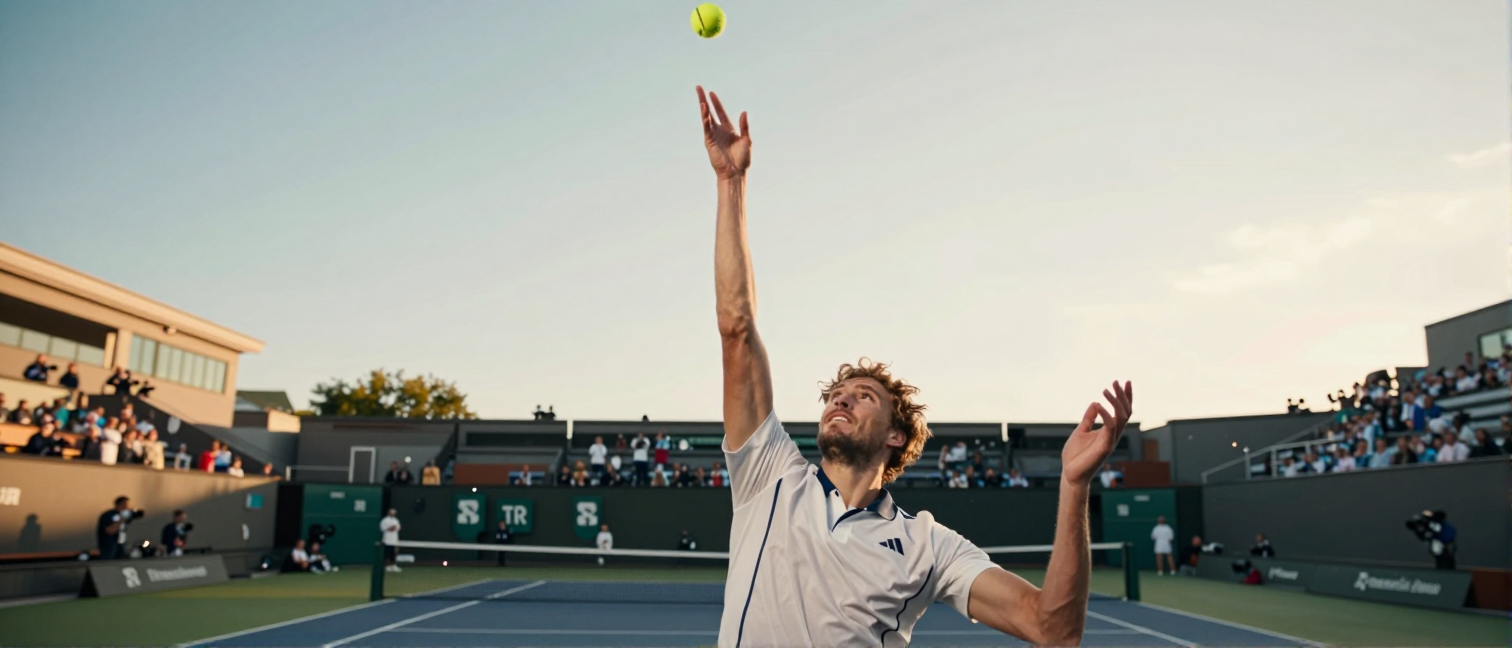
Alexander Zverev stepped onto Centre Court on July 12, 2026, to discover a chorus of boos from the Wimbledon crowd, a clear warning before his semifinal clash with home wildcard Arthur Fery. The German, world No. 3, had just dispatched Taylor Fritz in straight sets (6‑4, 7‑6(4), 6‑0) and now faces a British fan base eager to back their underdog.
What sparked the boos?
The jeers began during Arthur Fery’s on‑court interview after his own quarterfinal triumph over ninth seed Flavio Cobolli. When officials announced that Zverev had won his match, the crowd reacted instantly, chanting a collective disapproval. The moment was captured on broadcast and quickly spread across social media, highlighting the partisan atmosphere that often surrounds British wildcards at Wimbledon.
How did Zverev respond?
In the post‑match press conference, Zverev praised Fery’s run, recalling their first meeting at the Australian Open earlier this year. "He has very clean technique and clean groundstrokes," Zverev said, adding that the Brit deserved his place in the last four. His comments were measured, but the German’s calm demeanor contrasted sharply with the vocal opposition waiting on Centre Court.
Why the semifinal matters for Zverev
Reaching a Wimbledon semifinal marks Zverev’s first appearance at this stage of the grass Grand Slam, following his maiden French Open title earlier in the season. A win would place him against either Novak Djokovic, a seven‑time Wimbledon champion, or defending champion Jannik Sinner in the final. The German’s path therefore hinges on handling both the pressure of a hostile crowd and the tactical challenge posed by Fery’s aggressive baseline play.
What does history say about wildcards?
Arthur Fery became only the fourth men’s wildcard to reach a major semifinal, joining Jimmy Connors (1991 US Open), Henri Leconte (1992 French Open) and Goran Ivanisevic (2001 Wimbledon). His run has revived discussions about the impact of wildcards on Grand Slam draws, especially when they face top‑ranked opponents on the sport’s biggest stages.
What’s next for the semi?
The semifinal is scheduled for Friday, July 12, 2026, on Centre Court. If Zverev can silence the boos and impose his powerful serve‑and‑volley game, he could advance to a final that promises a showdown with either Djokovic or Sinner. For Fery, the crowd’s support may prove decisive, turning the match into a classic home‑wildcard narrative.
The outcome will shape the narrative of Wimbledon’s 2026 edition, offering either a triumphant German performance or a fairy‑tale British breakthrough.